

Marketing and sales teams have relied on chatbots for years, but most have learned the same lesson the hard way: scripted bots just collect emails. They don’t qualify intent. They don’t adapt. And they often slow buyers down instead of moving them forward.
The outcome is also familiar: high inbound traffic, low-quality MQLs, delayed responses, and SDR teams spending hours sorting through leads that never convert. In an environment where speed-to-lead determines who wins pipeline, those gaps are costly.
Recent studies show that companies responding to inbound inquiries within five minutes are dramatically more likely to engage and convert inbound interest—in some cases up to 100x better than waiting half an hour or more. This is where conversational agents enter the picture.
Modern conversational agents go beyond chatbot automation. They apply reason to user input, understand intent, and orchestrate omnichannel workflows, often as part of a generative AI platform. AI-native agents can qualify demand, answer questions, route leads, and maintain context across conversations without relying on rigid scripts.
For GTM teams, the shift isn’t about adding another bot. It’s about replacing fragmented tools with systems designed for real buyer conversations.
What is a conversational agent?
A conversational agent is an AI-powered system, similar to a virtual assistant, that interacts with users through natural language across one or more channels, including website chat, email, messaging, and voice-based experiences.
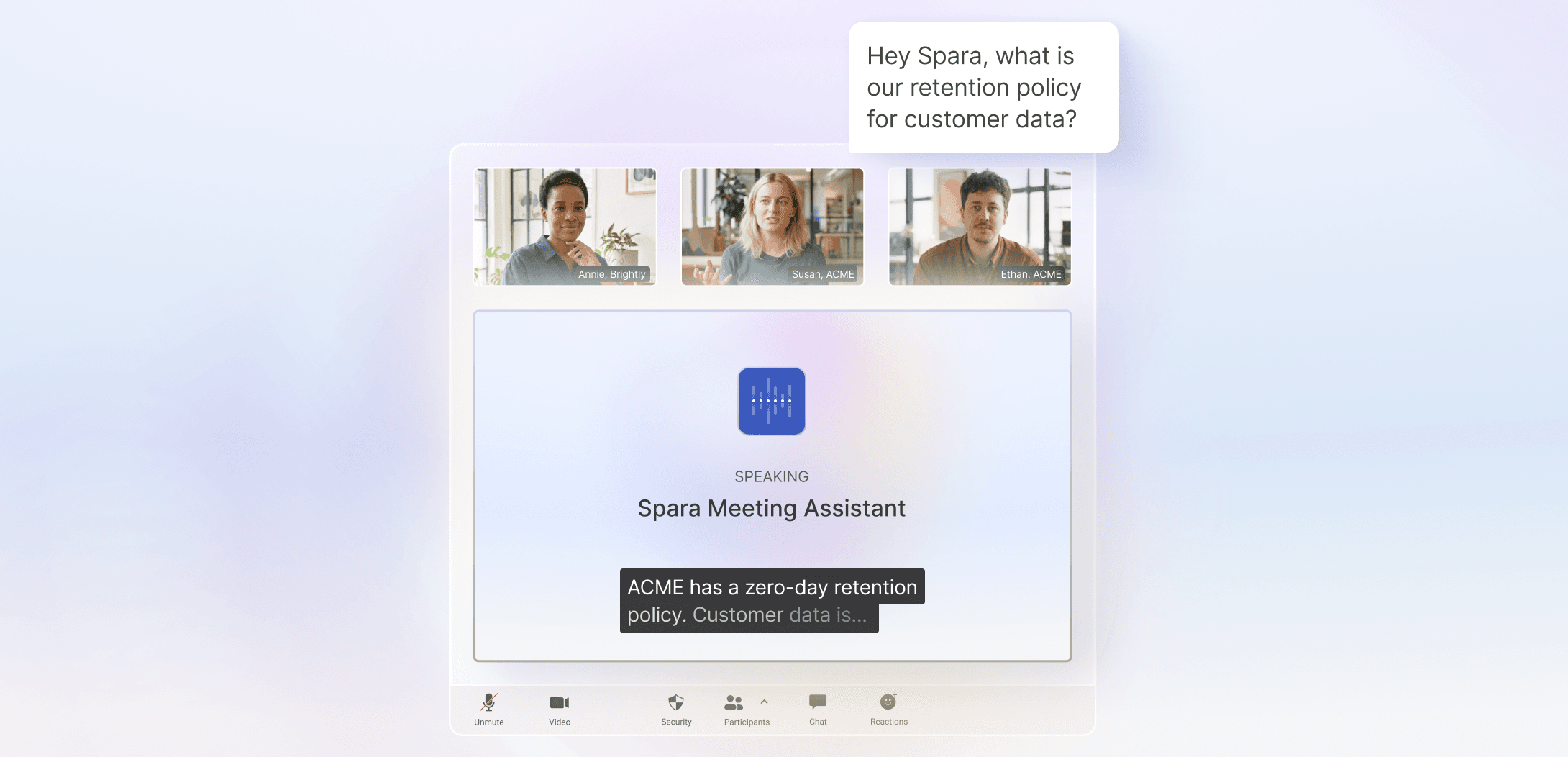
Unlike traditional chatbots, conversational agents interpret user intent, maintain context, and take action based on the conversation. They can handle human conversation at scale while connecting directly to business systems like customer relationship management (CRM) platforms, scheduling tools, and knowledge bases.
In a GTM context, conversational agents are often used to engage inbound buyers, qualify demand, and route high-intent leads in real time, as well as support outbound follow-up and re-engagement when timing is right.
How do conversational agents work?
Modern conversational agents operate as coordinated systems rather than single bots. At a high level, they combine several layers of artificial intelligence and automation:
Natural language processing (NLP) and natural language understanding to interpret user input, even when phrasing is informal or incomplete
Language models and machine learning, including large language models (LLMs) such as ChatGPT or Gemini, to generate human-like responses grounded in context
Decision-making logic that determines next steps based on intent, confidence level, and qualification criteria
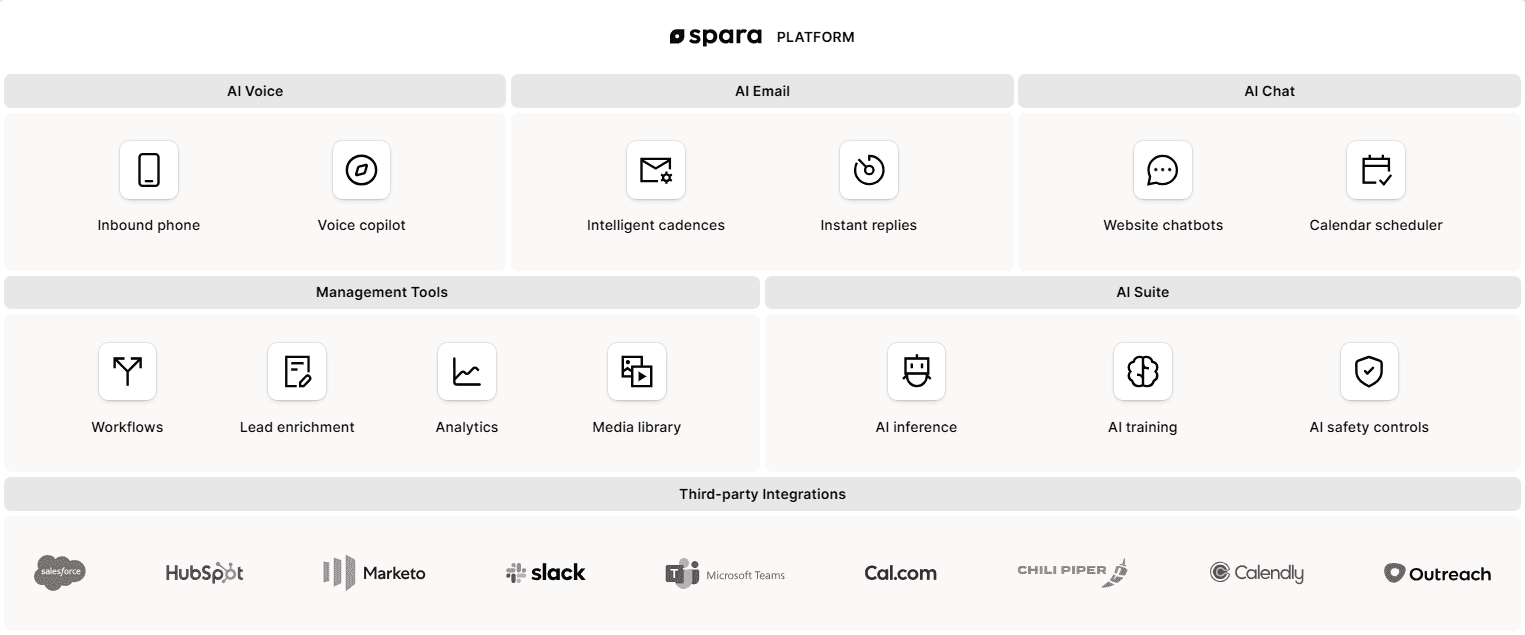
Workflows and APIs that connect conversations to CRMs, calendars, messaging platforms, and internal apps
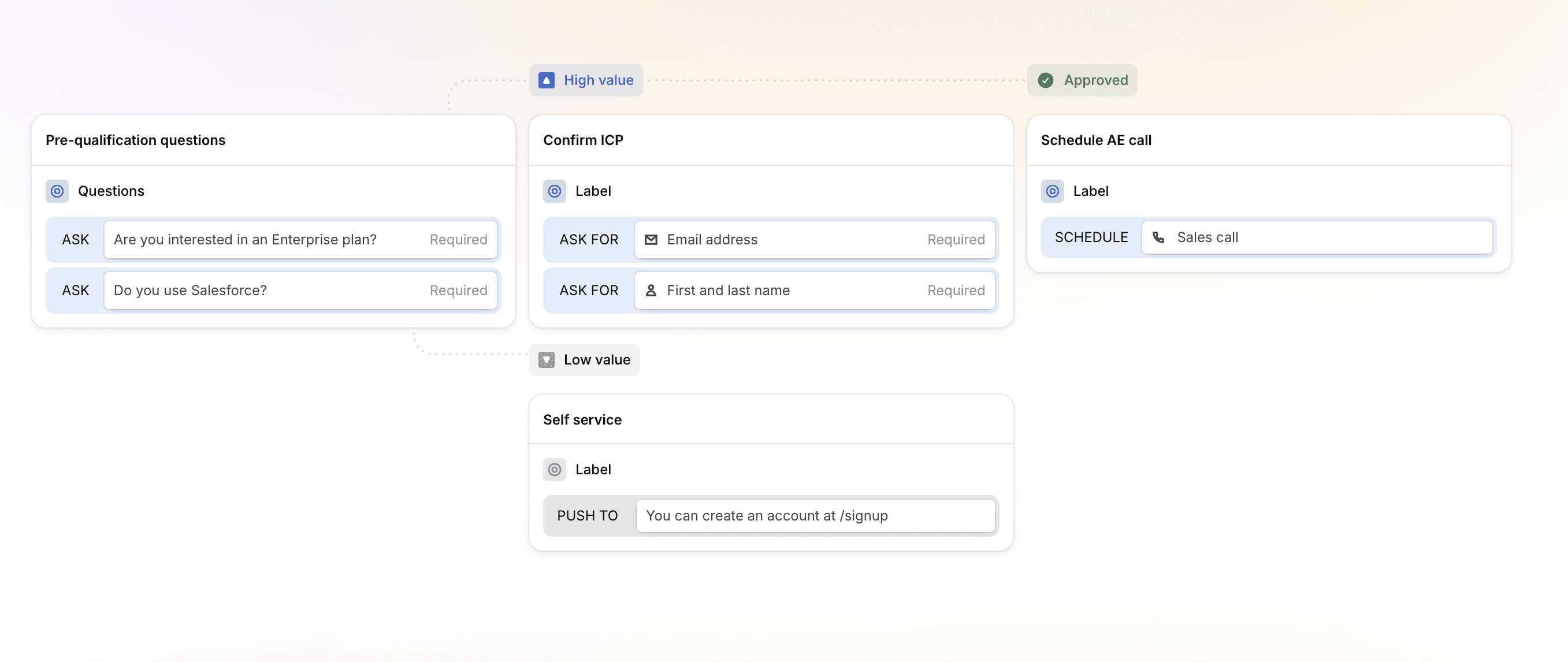
If qualification thresholds are met, the agent can automatically book meetings, enrich CRM records, notify sales teams via Slack, or trigger follow-up messaging.
Importantly, modern conversational AI agents optimize continuously by learning from real conversations, rather than relying on static templates or rigid decision trees.
What’s the difference between a conversational agent and a chatbot?
When most teams say “chatbot,” they mean traditional, pre-LLM bots: rule-based systems that rely on predefined scripts, decision trees, or keyword matching to guide interactions. While these chatbots can be useful for simple tasks, they struggle when conversations deviate from expected paths or require interpretation of nuanced intent.
Conversational agents can still be chatbots in a broad sense, but they take a fundamentally different approach. Conversational agents reason through conversations using context, intent signals, and probabilistic decision-making. Instead of forcing users down scripted flows, they adapt dynamically, allowing for more natural human conversation.
It also helps to separate conversational agents from agentic GTM workflows that run behind the scenes. Some “AI agents” don’t converse with buyers at all. They enrich records, trigger sequences, or move data between systems. Conversational agents, by contrast, are designed to engage customers directly across chat, email, and voice, ask follow-up questions, and move buyers through the funnel.
This distinction matters in GTM workflows. Chatbots capture information. Conversational agents qualify, route, and advance buyers. That difference is why many teams are replacing legacy chat tools with AI-native systems built for real-time, revenue-impacting engagement.
What are the benefits of using conversational agents in marketing?
In modern times, inbound performance is less about how much demand you generate and more about what happens when it shows up. Marketing teams can still hit traffic and form-fill targets while pipeline stalls due to slow response times, shallow qualification, and broken-down follow-ups.
For marketing leaders and RevOps teams, conversational agents directly address those gaps. They increase engagement by responding in real time, improve lead quality by qualifying intent instead of just collecting contact details, and compress speed-to-lead from minutes or hours to seconds.
Just as importantly, they drive operational efficiency by automating repetitive inbound conversations, so human teams spend their time on leads that are actually ready to convert.
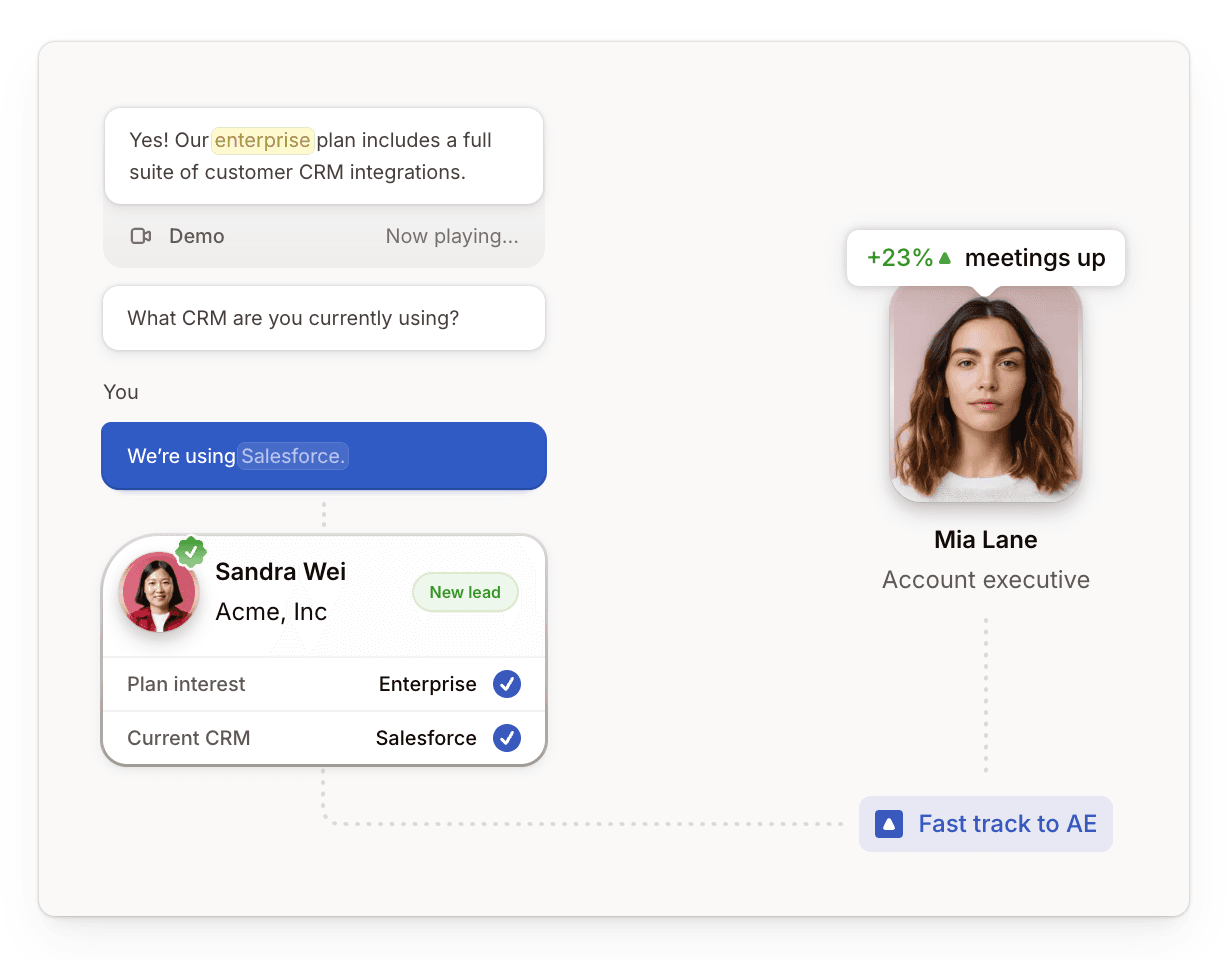
These outcomes translate into a healthier MQL-to-SQL funnel, faster pipeline velocity, and a buyer experience that feels responsive instead of reactive. That impact shows up most clearly in a few areas.
Real-time engagement that captures high-intent moments: Conversational agents respond instantly, regardless of volume or time zone. This eliminates speed-to-lead delays and ensures buyers are engaged while intent is highest. In competitive markets, minutes often determine who wins the opportunity.
Automatic qualification that improves lead quality: By interpreting user intent and asking adaptive follow-up questions, conversational agents qualify leads based on behavior and context, not just form fields. This improves MQL-to-SQL conversion rates and reduces wasted SDR effort.
Personalized interactions at scale: AI-powered agents tailor responses based on user input, previous interactions, and known firmographic data. Buyers receive relevant answers that feel human-like, even at scale, without overwhelming marketing or sales teams.
Multi-channel consistency across chat, email, and voice: Modern buyer journeys span channels. Conversational agents maintain continuity when conversations move from chat to AI-powered email or voice-based follow-up, ensuring context is never lost.
What are the most common marketing use cases for conversational agents?
Conversational agents are only as effective as where you put them to work. They tend to deliver the most value in everyday, high-impact moments where buyers are actively evaluating, asking questions, or deciding whether to engage. These are the points where traditional automation often falls short.
The following use cases reflect common starting points in a modern marketing strategy, but conversational agents can be tailored to your unique strategy and workflow, without adding complexity or forcing you to rethink how they operate.
Engaging website visitors and answering product questions instantly
When buyers arrive on a website, they’re often mid-evaluation and looking for specific answers around pricing, functionality, integrations, or use cases. Conversational agents can answer questions in real time using natural language, pulling from product documentation and knowledge bases to respond accurately without forcing buyers into static flows or forms.
This immediate engagement reduces friction at a critical moment and keeps high-intent visitors moving forward instead of leaving to research competitors. For marketing teams, this improves engagement without adding manual support overhead or slowing response times.
Qualifying inbound demand and routing leads automatically
Inbound demand rarely arrives in neat batches. Conversational agents gather firmographic data, interpret user intent, and apply qualification logic in real time, allowing qualified leads to be routed instantly with conversation context and intent signals intact.
This approach underpins inbound SDR automation and reflects how AI SDRs are reshaping inbound motions. Faster routing improves lead quality, compresses speed-to-lead, and reduces wasted SDR effort.
Following up across channels when buyers shift from chat to email or phone
Buyers rarely convert in a single interaction. Conversations pause, resume later, or move across channels, often losing context along the way. Conversational agents maintain continuity by following up through AI-powered email or a phone call when real-time chat ends.
This continuity supports stronger marketing and sales alignment by ensuring that prior context carries forward. Leads stay warm, follow-up feels relevant, and handoffs happen without forcing buyers to start over.
Nurturing and progressing mid-funnel opportunities
Once a buyer is interested but not ready to book, follow-up can be messy, involving a combination of generic nurture, missed handoffs, and slow responses to new questions. Conversational agents can keep opportunities organized by answering follow-up questions in context, delivering the right information at the right time, and prompting the next best step based on intent signals.
This helps marketing and sales teams maintain momentum, reduce drop-off between touchpoints, and move more engaged buyers from interest to action without requiring manual back-and-forth.
Supporting sales with conversation intelligence and objection analysis
Inbound conversations contain valuable insight into buyer intent, objections, and decision criteria, but that data is often lost once a form is submitted or a meeting is booked. Conversational agents capture and structure this information automatically across conversations.
Over time, patterns in objections and questions can be used to refine messaging, improve positioning, and support sales enablement. This also strengthens zero-leak inbound by ensuring high-intent conversations are surfaced and acted on, not overlooked.
How can teams get started with conversational agents?
Getting started with conversational agents is usually simpler than most GTM teams expect. You don’t need to rebuild your GTM stack or run a months-long rollout to see value. By focusing on a few high-impact moments first, you can see results early without adding unnecessary complexity.
Identify the buyer moments where speed matters most
Start by identifying where response time directly affects conversion, such as inbound demo requests, pricing questions, or product comparisons. These are moments where buyer intent is already present, and delays are costly.
Conversational agents are well-suited here because they can respond instantly and guide the conversation forward while interest is highest.
Train the agent on your business and buyer context
Instead of building conversational workflows from scratch, start by training the agent on the information your buyers already expect you to know: your website, product documentation, sales playbooks, and other collateral.
A well-trained agent can answer questions in natural language, stay on-brand, and handle real conversations without forcing buyers through generic scripts.
Choose AI systems that integrate easily with existing tools
Conversational agents work best when they integrate cleanly with your CRM, calendar, and messaging tools via native integrations or APIs. Integration ensures conversation datasets flow where it is needed and reduces manual handoffs. Systems that fit into your existing stack are easier to adopt and scale over time.
Start with a small pilot and refine based on real conversations
Begin with a focused use case, such as qualifying inbound demo traffic or answering high-intent product questions. Launch quickly, then review transcripts and handoff outcomes.
Use those insights to refine responses and qualification logic before expanding coverage. Iteration based on real conversations leads to better performance over time.
Best practices for using conversational agents effectively
Conversational agents are powerful, but results depend on how intentionally they are designed and deployed. Teams that see sustained impact treat conversational AI as part of their revenue system, not a standalone tool. That means designing agents around real buyer intent, setting clear guardrails for accuracy and trust, and tying conversations to clear next steps.
Prioritize high-intent moments where agents deliver immediate value
Not every interaction needs automation. Focus agents where buyers are actively evaluating and need a real answer to keep moving, like implementation questions, security reviews, or “who is this for?” fit checks.
Concentrating agents on these moments ensures they capture intent when it is strongest instead of spreading automation across low-impact interactions.
Use AI that adapts to conversation pathways, not scripts
Rule-based systems struggle with real conversations. Conversational agents should adjust dynamically based on user intent, prior responses, and context instead of relying on rigid, rule-based scripts.
Adaptive conversation pathways allow agents to handle real human conversations, ask relevant follow-up questions, and guide buyers forward naturally.
Ensure accuracy, brand safety, and compliance guardrails
Because conversational agents engage buyers autonomously, accuracy and trust are critical. Agents should be designed to detect inconsistencies, avoid hallucinations, and operate within clear brand guidelines.
They also need to meet enterprise security and privacy standards, including SOC 2 and GDPR compliance, especially for AI chat, AI voice, and AI email experiences.
Build multi-channel continuity into your engagement strategy
Effective conversational agents preserve context as buyers move between chat, email, and voice-based follow-up. Agents should support omnichannel engagement, maintaining continuity that prevents buyers from repeating themselves and creates a more cohesive, trustworthy experience throughout the funnel.
Implement conversational agents as part of your marketing strategy
Conversational agents are becoming core infrastructure for inbound marketing, not experimental add-ons. They help teams engage buyers faster, qualify demand more accurately, and maintain context across channels, improving both pipeline performance and buyer experience.
When implemented well, conversational agents reduce friction at the top of the funnel while creating better downstream outcomes for marketing and sales. Buyers get timely, relevant responses, while teams gain clearer visibility into qualification across channels.
If you’re curious about how conversational agents can elevate your GTM motion, see how Spara’s AI-native agents help teams automate conversations, qualify demand instantly, and convert more inbound traffic.

Lauren ThompsonHead of Marketing, Spara
FAQs
Related posts
View all
GTM
How Matt Heinz aligns GTM teams to close more deals
Matt Heinz shares why sales and marketing alignment breaks when teams can’t move fast enough, and how real-time AI turns shared GTM strategy into action before buyers move on.
Mar 3, 2026
•
8 min read
GTM
What are the top AI sales assistant software tools in 2026?
Compare the best AI sales assistant software in 2026. Explore features, use cases, and how AI-native tools convert inbound demand into a qualified pipeline.
Mar 1, 2026
•
8 min read

GTM
Best conversational marketing software: A 2026 guide
Explore the best conversational marketing software in 2026. Learn how AI-native platforms improve engagement, qualification, and pipeline outcomes.
Mar 1, 2026
•
10 min read
Sign up for the latest from Spara
Subscribe to get more GTM insights straight to your inbox.