

Marketing teams have never had more intent data. Signals flow in from G2, webinars, website visits, and a dozen other sources. The problem isn’t access to information. It’s acting on it before the moment passes.
Kathleen Booth calls this “intent decay.” By the time a team combs through a list, enriches the data, and crafts a personalized message, the buyer has often moved on.
“A lot of these buying processes are happening faster than we think they are,” Kathleen says. “Especially now with AI, because so many people are getting educated through these answer engines.”
Kathleen is VP of Marketing at Sequel and previously spent three years leading marketing at Pavilion, a membership community for go-to-market executives, where she saw these challenges play out firsthand. Now, her focus is on building the infrastructure to capture buyer interest in real-time.
The intent decay problem
Kathleen has seen the same pattern repeat across companies and industries: teams invest in generating intent signals, then lose them in the handoff.
“The problem has always been that a lot of these systems are either disconnected or take some work to follow up on, or there’s a time lag,” she says. “Let’s take G2 for example. You get G2 data saying somebody’s been doing research, and who knows how long it’s been since that person was on the G2 website. And then you got that intent information and then you got it to your team. They added it to their list and they sent out their emails and they finally got a meeting set up. It could be a day, it could be a week, it could be a month.”
The same thing happens with webinars. Fifty people attend, and the sales team gets a list. Then the homework begins: who’s already a customer, who’s a real ICP fit, how do you tailor the message to each person?
“By the time we get to the point where our teams are reaching out and following up in a tailored, thoughtful, personalized way, a lot of time has elapsed,” Kathleen says. “We may have candidly missed the opportunity.”
Even when the opportunity isn’t lost entirely, the team has paid a cost. At Sequel, Kathleen estimated her team was spending the equivalent of one full person-day per week just combing through lists, prioritizing, and enriching data before anyone could actually do outreach.
She calls this “tech stack drag.” The data exists, but turning it into action takes too long.
This is the problem Spara was built to solve. Instead of letting intent signals sit in a queue, Spara engages buyers the moment they raise their hand, qualifying and converting them through AI-powered chat, voice, and email before the window closes.
Your website is now a decision surface
The urgency around intent decay has increased because the buying journey itself has changed.
“Historically, we all as marketers built websites and the thesis was that websites serve two purposes: education and engagement,” Kathleen says. “Most of us have built websites to be education first, meaning we’ve packed them with educational content in the hopes that our great SEO would draw people into the site.”
That model has flipped. Answer engines now provide the education. So do communities, LinkedIn connections, and private peer groups where buyers ask for recommendations.
“As a buyer, we’ve all done this,” Kathleen says. “We can really do our homework without ever having to go to a brand’s website. And if it’s not an answer engine, it’s a community. It’s the people in the private community that you’re a member of where you go and you say, hey, I’ve narrowed it down to these three companies. Which one do you love the best?”
The implication is significant: by the time someone reaches your website, they’ve likely already made most of their decision.
“Your website is no longer an education-first surface, it’s a decision surface,” Kathleen says. “And decisions are about engagement.”
She compares it to the checkout aisle at a grocery store. “People are there, they’re at the cash register, they’re ready to pay. That’s your moment to get them to spend money. Think of it the same way on your website. This is your moment, you have a brief window of time.”
Acting on intent in real time
The shift Kathleen describes isn’t about collecting more data. It’s about synthesizing it faster so teams can act while the buyer is still engaged.
“We’ve never been in a situation as marketers in the last few years where we haven’t had enough intent data,” she says. “We’re swimming in it. But you’re hearing more and more this dissatisfaction with intent data. And I think it’s because marketers are not able to orchestrate off of it well enough or quickly enough.”
At Sequel, Kathleen’s team is building systems that do the homework automatically. When a webinar ends, AI generates personalized summaries of each attendee, including every signal they gave during the event and every interaction they’ve had with the site before it. The summary arrives with suggested follow-up language, ready for the BDR to use.
“The minute the webinar ends, we can spin up personalized summaries of each webinar attendee that encompass every signal they gave us,” Kathleen says. “We supply that immediately to the BDR with suggested follow-up, which makes writing a follow-up email something that can happen in a minute or less.”
The system works at both the individual and account level. If five people from the same company attended, the team sees a composite picture of what that account cares about.
The result: eight hours of weekly manual work eliminated. That’s a 20% productivity gain for a sales-facing role, and all of that time shifts to actual outreach. The context also flows downstream to AEs, giving them a stronger foundation when conversations begin.
“How do we harvest the data and not just give them piles of data, but synthesize it and serve it to them on a silver platter and say, go do your thing?” Kathleen says. “That’s the question.”
Final takeaway
Intent data was never the bottleneck. The bottleneck was always the time between signal and action.
Kathleen’s approach addresses this directly: automate the synthesis, eliminate the homework, and get context to reps while buyers are still in decision mode. The teams that figure this out will convert more pipeline without adding headcount. The teams that don’t will keep watching opportunities decay.
At Spara, we believe this is where GTM is heading. Real-time AI that qualifies, engages, and routes buyers the moment they raise their hand. When intent is captured in the moment, speed and relevance come together, and that’s when pipeline converts.
Related posts
View all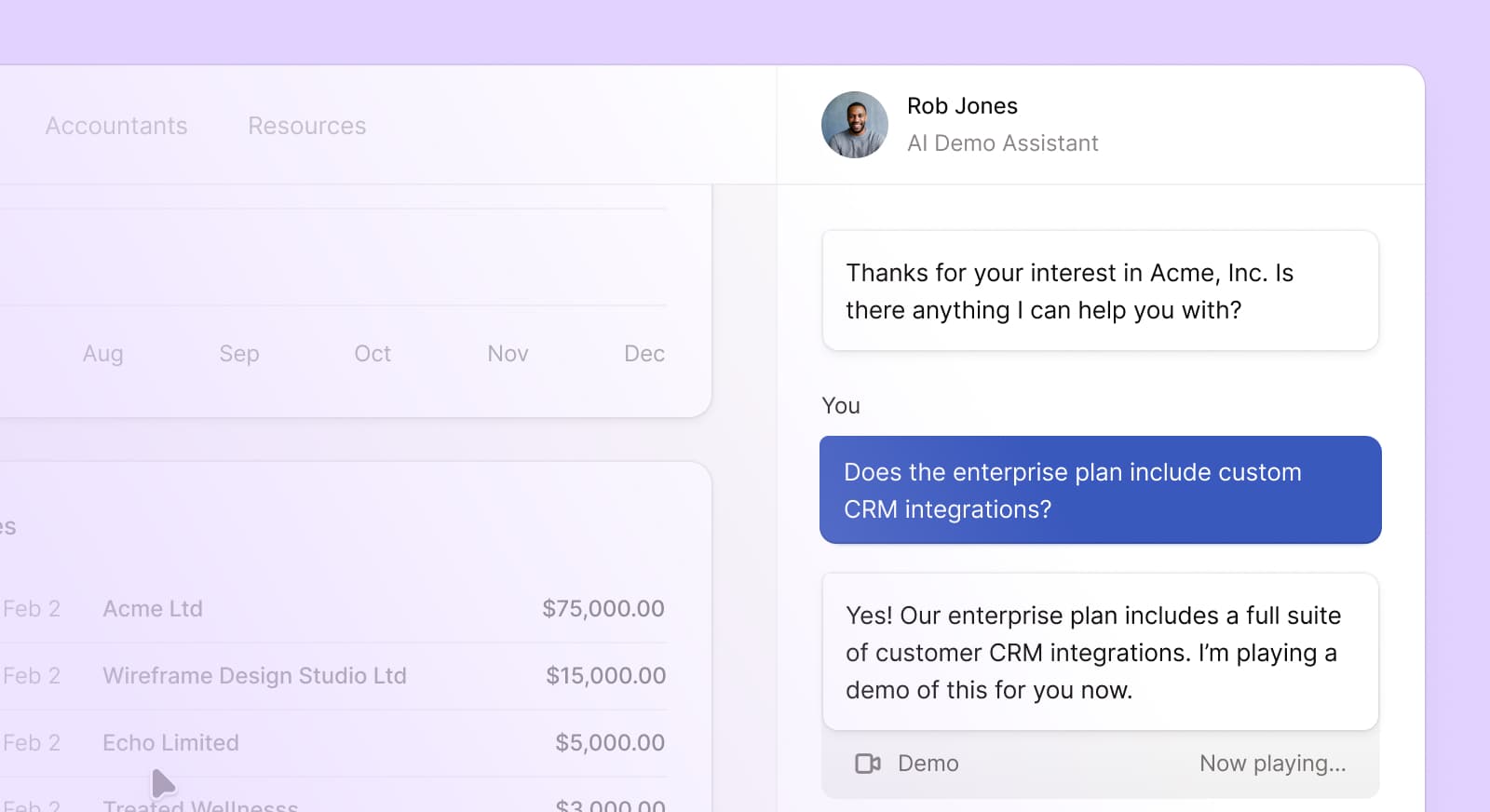
GTM
AI SDRs: The future of sales development
Traditional SDR models can't scale. AI SDRs automate qualification and routing to convert 3x more inbound traffic without adding headcount.
Feb 24, 2026
•
10 min read
GTM
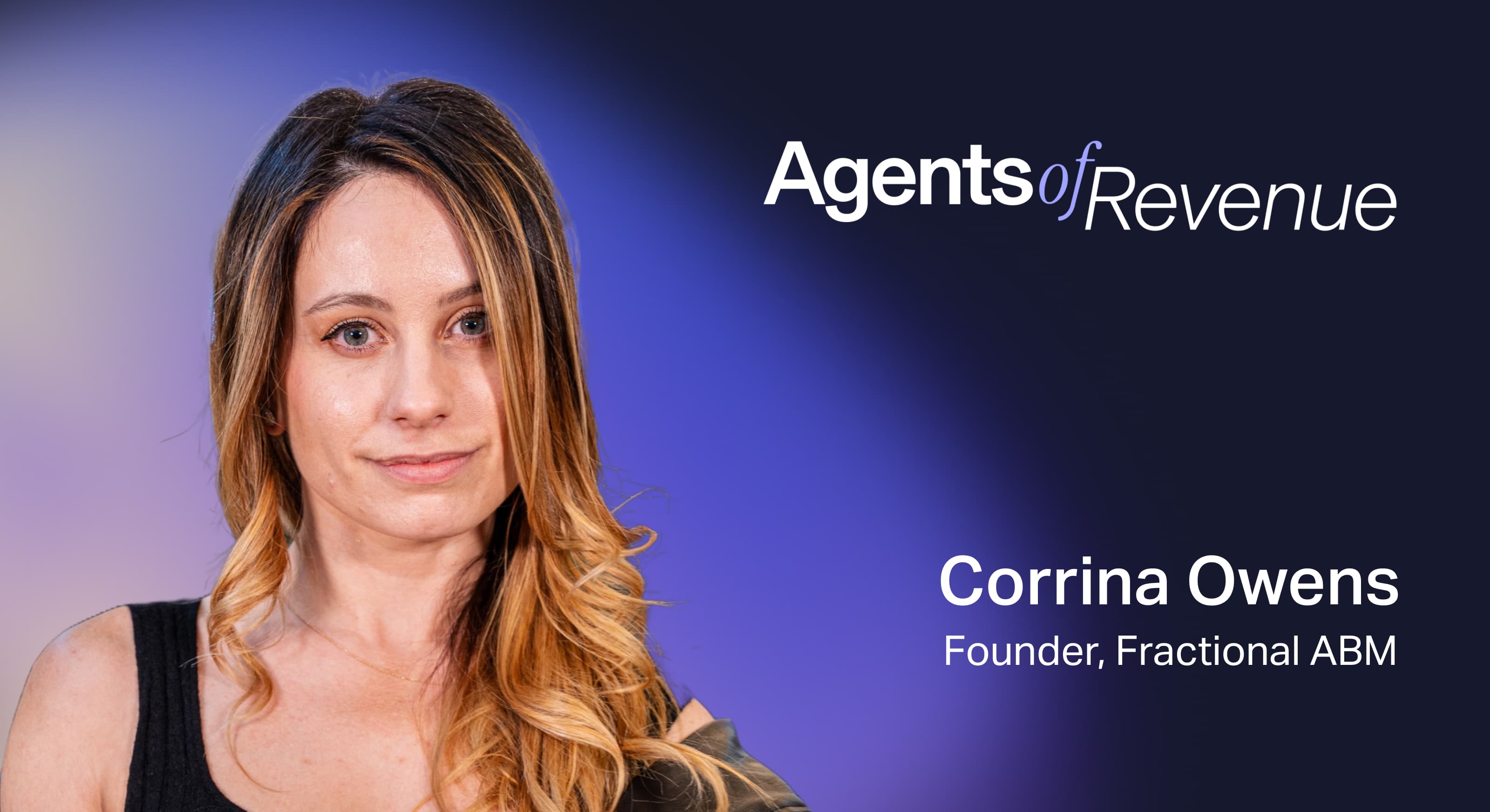
Corrina Owens on fixing what's broken in GTM
Corrina Owens shares how to streamline your GTM motion by fixing lead routing, simplifying buyer segmentation, focusing on high-impact signals, and embedding marketing in the deal cycle.
Feb 11, 2026
•
6 min read
GTM
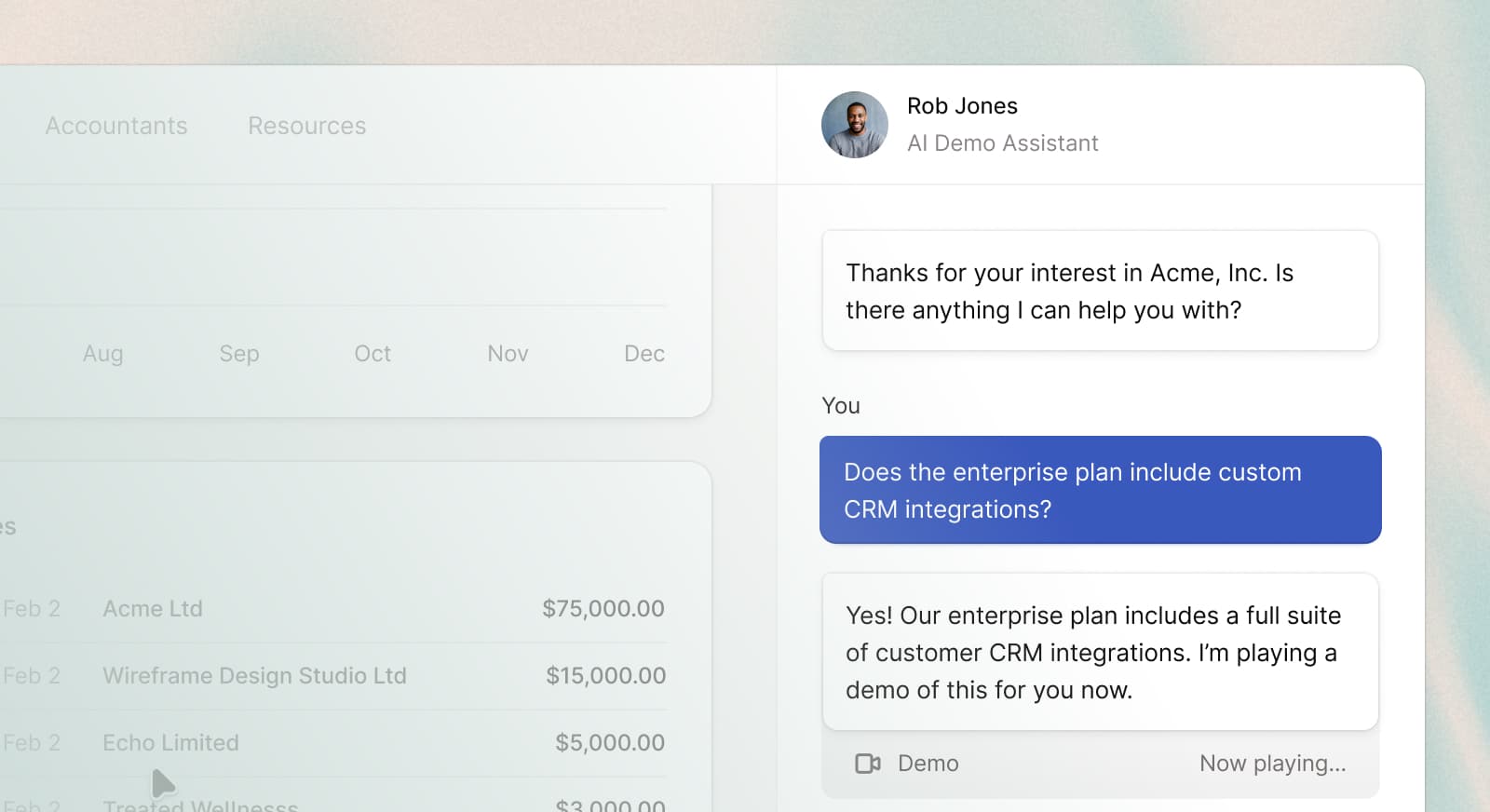
Conversational marketing chatbots: turning real-time conversations into qualified pipeline
Unlike traditional chatbots, learn how conversational marketing chatbots use AI to qualify leads, boost conversion, and deliver real-time buyer experiences.
Feb 10, 2026
•
9 min read
Sign up for the latest from Spara
Subscribe to get more GTM insights straight to your inbox.