

Speed-to-lead has become the new battleground for GTM teams. Buyers move fast, and the company that responds first often wins the conversation and eventually the deal.
Most qualification processes were built for a different era. They rely on static forms, manual scoring, and human triage—making them slow, inconsistent, and expensive to scale. Marketing generates demand, but sales loses momentum waiting on context, routing, and guidance. That delay between intent and response is where revenue leaks out of the funnel.
AI changes this dynamic. Instead of waiting for manual intervention, AI-powered systems engage prospects when they arrive, understand intent in real-time, and qualify leads in seconds. Buyers get answers instantly, and sales reps receive enriched context. This shift transforms how modern GTM teams operate and redefines effective lead qualification.
The state of lead qualification today
For most companies, lead qualification still follows an old pattern. Visitors fill out a static web form, a scoring model assigns a numeric value, and the prospect is passed to sales. From there, the rep collects the qualified leads' details and manually reaches out.
This legacy system fails to capture real buyer intent. Marketing teams might generate strong inbound volume, but static forms and rule-based scoring models flatten complex buying signals into generic fields and outdated assumptions.
Leads get routed without enough context for sales to respond quickly or confidently. Reps begin conversations with incomplete information, which slows personalization and reduces conversion. Over time, the gap between what marketing captures and what sales needs widens.
The handoff problem compounds inside the sales organization. Manual triage forces sales reps to interpret scattered data from emails, forms, referrals, and internal systems. They must decide who owns which lead, how urgent it is, and what to do next.
This lag is costly. When teams cannot prioritize efficiently or respond with speed, qualified buyers move on, and pipeline slips through the cracks.
Prospects also expect immediate responses and personalized engagement the moment they hit your site. Static forms and rule-based chatbots weren’t built for these expectations. They can’t interpret intent, adapt to conversations, or deliver the depth of personalization buyers expect.
That gap is pushing teams toward AI-driven lead qualification. AI-native engines learn from your customer data and sales history, engage with full context, and personalize conversations in real time. They operate 24/7, meeting buyers the moment they arrive and eliminating speed-to-lead delays.
During these real-time interactions, AI agents collect richer lead data than any static form. They enrich the lead profile, update your CRM automatically, and hand sales a complete view of the buyer’s needs. Reps walk into calls with the information they need to personalize their approach and close faster.
What is AI for lead qualification?
AI-driven lead qualification automates and optimizes the process of identifying, engaging, and converting inbound leads. Unlike traditional rule-based rigid workflows, AI systems use advanced machine learning algorithms and predictive analytics techniques to analyze past patterns and personalize engagement in real-time.
Think of it like deploying AI agents across multiple channels, like websites, email inboxes, and phones. On your website, AI chat agents greet visitors instantly, answer questions with full context, and gather the information needed to determine fit. They then qualify based on your ICP and qualification criteria.
In email, AI agents deliver timely, contextual responses that extend conversations started on your website. When a lead engages in chat but doesn’t book a meeting, agents follow up by email, answer questions, continue qualification, and handle scheduling while preserving full conversation history and CRM context. This turns email from a slow back-and-forth into a conversion-ready channel that moves at the pace of the buyer.
AI voice agents answer inbound calls within seconds, drive natural conversations, and route qualified prospects to the right representatives while the buyer is still on the line. They can also place outbound calls to collect additional information or move the conversation forward. Instead of leaving voicemails or waiting for an SDR, prospects receive an immediate, contextual response.
Together, these AI-driven touchpoints meet buyers the moment they show interest, gather richer context than forms can capture, and move qualified prospects into the pipeline without the delays that cost teams revenue.
5 Ways AI transforms your qualification process
AI is redefining how revenue teams handle qualification by shifting from slow, reactive workflows to intelligent, real-time engagement.
1. Instant speed-to-lead response
AI agents engage prospects the moment they arrive on your website or enter a conversation, regardless of channel. They greet visitors, ask targeted questions, and guide the conversation forward without waiting for a human rep.
This matters because the highest conversion window is the moment interest appears. When AI meets buyers at peak intent, teams capture opportunities that would otherwise disappear during delayed follow-up.
2. Smarter intent detection
Traditional lead scoring relies on static attributes like job title, industry, or company size. These signals help, but they rarely reveal true purchase intent.
AI systems track when website visitors return to a pricing page, replay a product demo, or ask specific questions in chat that signal evaluation-stage interest. This level of intent intelligence helps teams identify potential customers immediately and route them accordingly.
3. Personalized qualification logic
AI agents learn from your marketing pages, product documentation, and historical interactions. This training gives them real product depth, allowing them to respond with context. They also enrich conversations by pulling information from CRM data, website behavior, past engagements, and third-party tools.
As a result, buyers receive personalized guidance based on who they are, what they care about, and where they are in their journey.
4. Scaling inbound engagement beyond business hours
Inbound volume often grows faster than headcount. AI solves this scale gap by covering every channel around the clock. It engages during nights, weekends, and off-hours without sacrificing quality.
Prospects can ask questions, get qualified, and schedule meetings for their preferred time even when the sales team is offline. This gives GTM teams 24/7 responsiveness without the cost and complexity of expanding the SDR bench.
5. Consistent data enrichment and CRM hygiene
As prospects engage, AI captures firmographic information, behavioral signals, and conversation details, then writes them back to the CRM automatically. This creates clean, enriched records that give reps the context they need to personalize outreach and close deals faster.
How AI qualification impacts revenue
Customer-centric businesses win the loyalty game, and AI agents make this possible at a scale teams never expected. These agents learn from your website content and internal materials, helping deliver personalized and context-rich conversations to every visitor.
When new leads receive tailored engagement the moment they land on your site, conversion rates rise. For example, Rho, a fintech company, deployed Spara AI across its core conversion paths and saw a 3.1X increase in meeting conversions. Buyers move from curiosity to commitment faster because they’re getting answers in real time and seeing a clear path forward.
By the time they reach a sales call, reps work from enriched lead data that AI agents collected during the conversation. They know which pages the prospect visited, which features they asked about, and what pain points surfaced during qualification. This level of context helps reps deliver sharper, more relevant conversations that close at higher rates.
Pipeline moves faster because speed-to-lead becomes immediate. Potential leads who once waited hours or days for a response now engage within seconds, qualify immediately, and book meetings instantly. Faster movement through the funnel produces more revenue in less time, all without increasing inbound traffic or expanding the SDR team.
A good example is TinyMCE, a popular text editor, which implemented Spara AI agents across its website for lead qualification. Spara agents engage every visitor in real time, qualify leads with contextual questions, and book sales calls faster.
Within the first quarter, Spara increased SQL conversion by 20% and generated $1M+ in pipeline. This shows the real revenue impact AI agents create.
How to evaluate AI lead qualification tools
To choose the right AI qualification tool for your team, focus on the criteria that directly influence speed, efficiency, accuracy, and conversion. Here’s what to look for when evaluating them:
Integration with CRM and sales stack
An AI qualification tool should fit into your existing CRM systems, automation tools, and sales processes without friction. When integration is seamless, every piece of contact information, customer relationship history, and sales lead activity stays unified and accurate. This enables true data-driven decision-making across every stage.
Customizable qualification logic
Qualification logic varies by business model, industry, and ideal customer profile. Your sales team should be able to edit and update this logic without technical roadblocks. It becomes even more effective when the AI allows updates in plain English, so teams adjust criteria quickly as the business evolves.
Deanonymization/lead enrichment
Effective sales communication starts with knowing buyers' intent and what they are looking for. Look for AI tools that can deanonymize website visitors instantly, enrich lead profiles, and update the CRM automatically. This gives your sales teams necessary details to drive personalized sales calls and close deals faster.
Data security
AI tools handle sensitive customer information, so they must follow strict security standards. They should comply with frameworks like GDPR and SOC 2 and use strong data protection practices. This protects your customers, builds trust, and keeps your organization compliant.
Multi-channel coverage
Customers don't just stick to your website. They may engage on your website one day and call your team the next.
To deliver a consistent customer experience, your AI tool should support agents across chat, email, and voice. When the core AI engine holds the full customer history, it can deliver a unified and personalized experience wherever the customer reaches out.
Proof of real conversion impact
AI qualification measures success through revenue outcomes, not vanity metrics like conversation volume or data collected. The right tools show real improvements in conversions and pipeline.
Look for case studies where companies adopt AI systems and see measurable lifts in SQLs, revenue, or deal velocity. This helps you choose a tool that drives meaningful revenue impact.
This is where tools like Spara stand out. Legacy chatbots capture leads but rarely convert them. Spara qualifies, routes, and books meetings in seconds—showing real gains in pipeline, not just activity.
How leading GTM teams use AI to win the first conversation
High-performing GTM teams know the first conversation determines the entire outcome of the deal. When prospects reach out, they expect fast responses and real guidance.
AI agents help teams deliver this level of consistency at scale. They meet every prospect immediately and gather intent with precision. This early engagement increases the number of prospects who stay in the funnel and signals which visitors deserve immediate attention.
Once the conversation starts, AI systems qualify the leads based on your criteria. They collect the right details, check fit against the ICP, and identify who is ready for sales. This creates a clean separation between high-intent buyers and early-stage visitors.
Qualified buyers can book meetings with your team on the spot. This gives GTM teams more time to focus on the right leads and improve conversion rates, while non-intent buyers move through self-service workflows.
This proves that AI isn’t here to replace GTM teams. It increases productivity by identifying high-quality leads accurately and routing them to human reps. This lets your team handle a growing inbound pipeline effectively without adding headcount.
The future of lead qualification is AI-driven
The next generation of GTM performance will come from teams that blend AI automation with human intelligence. Qualification will no longer be a slow, reactive step that happens after a lead fills out a form. It will become an active, always-on system that engages prospects the moment they show intent and guides them through personalized conversations.
This shift reframes the role of the GTM team. They focus on meaningful conversations, strategic outreach, and closing deals. AI agents remove repetitive tasks, keep the funnel moving, and ensure every rep walks into conversations with full context. This partnership increases productivity and return on every marketing and sales investment.
The proof is already visible. Teams using AI qualification see more qualified leads without increasing traffic. They shorten the gap between the first conversation and conversion. They protect high-intent moments that used to fall through the cracks. And they create cleaner data that strengthens forecasting and improves every downstream decision.
Spara helps organizations operate this way today. Its AI agents engage prospects instantly, qualify based on ICP, book meetings for ready buyers, and nurture leads who need more time. Humans step in for sales calls with buyers who are ready to purchase and close the deals. Together, they create a revenue system that grows without adding extra operational load.
Start qualifying every lead in real-time
The companies that grow the fastest are the ones that meet their buyers the moment they show intent. Real-time qualification creates that advantage, turning every visit, every question, and every touchpoint into a chance to move the conversation forward.
When prospects get answers instantly, your pipeline gets stronger, and your team spends more time on the deals that matter.
Your buyers won’t wait, so your team shouldn’t either. Talk to Spara today and see how our GTM AI agents qualify, route, and convert leads in seconds.

Lauren ThompsonHead of Marketing, Spara
FAQs
Related posts
View all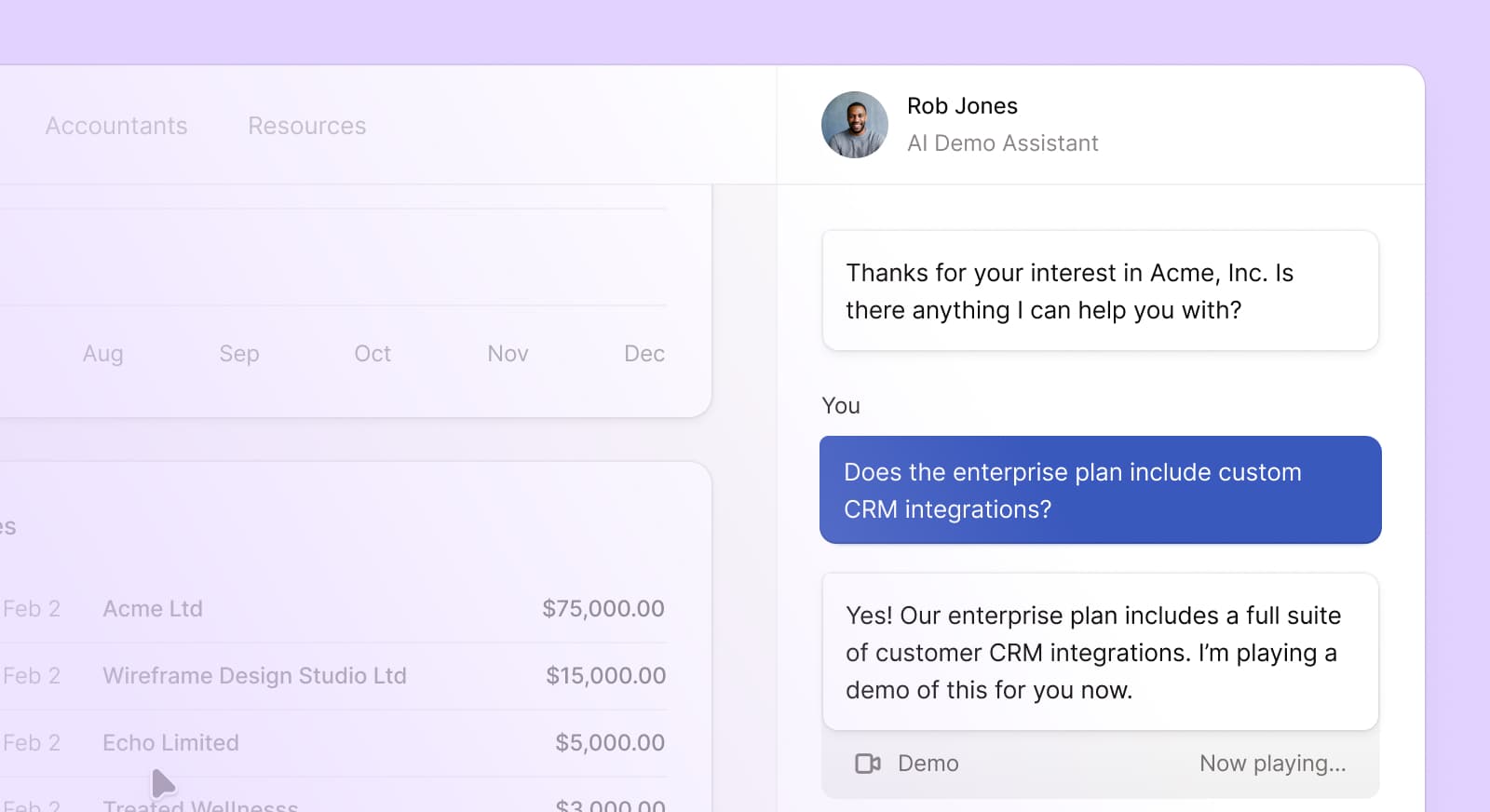
GTM
AI SDRs: The future of sales development
Traditional SDR models can't scale. AI SDRs automate qualification and routing to convert 3x more inbound traffic without adding headcount.
Feb 24, 2026
•
10 min read

GTM
How Kathleen Booth is solving the buyer intent decay problem
Kathleen Booth explains why intent data fails when teams can't act fast enough, and how real-time AI closes the gap before buyers move on.
Feb 19, 2026
•
6 min read

GTM
Corrina Owens on fixing what's broken in GTM
Corrina Owens shares how to streamline your GTM motion by fixing lead routing, simplifying buyer segmentation, focusing on high-impact signals, and embedding marketing in the deal cycle.
Feb 11, 2026
•
6 min read
Sign up for the latest from Spara
Subscribe to get more GTM insights straight to your inbox.