

AI adoption is accelerating across the business, and go-to-market (GTM) is becoming one of the most visible areas of impact. It uses conversational tools like chatbots and AI SDRs to help improve the efficiency of your GTM workflow and drive revenue.
Many teams think they already have optimized their GTM because their CRM or email platform has added a few AI features to their systems. But those are not true AI-powered GTM engines. A scalable AI GTM stack uses AI at the core, enabling personalization, speed, and automation across the pain points of the funnel.
Let’s explore what GTM is and discuss the tools you need to build an optimized, scalable AI GTM stack.
Why traditional GTM motions are breaking down
Before looking at how AI reshapes GTM, it’s important to understand why the old playbook is failing—and why even well-equipped teams are losing efficiency and pipeline.
The rise of fragmented GTM stacks
The GTM landscape has become too crowded to manage. In 2024, martech had more than 14,000 software tools across 49 categories, and that number is growing at about a 24% CAGR.
With so many tools available, sales and marketing teams are stitching together point solutions for every task (a result of GTM software evolving to solve narrow, isolated problems). According to a WinSavvy study, a typical sales team uses 13+ tools. For instance, a team might implement Gong for conversation intelligence, Smartlead for email scheduling, Clay for data enrichment, and contact information data sources like ZoomInfo.
Over time, this creates a stack where every process runs on a specialized but separate platform, resulting in data silos and fragmented workflows. Reps lose productivity, data becomes inconsistent, and companies end up paying for multiple tools without seeing any lift in revenue.
Buyers have changed, most systems haven’t
Traditional GTM strategies are falling short because buyer expectations have changed—and the old playbook hasn’t. Buyers want instant, relevant answers, and the vendor who responds first with real value wins.
Most GTM systems weren’t built for this level of personalization or speed. They automate tasks, but they don’t adapt to intent or context.
Meeting today’s expectations requires an AI-driven system that understands signals, responds intelligently, and unifies your funnel. Teams need a connected solution that can keep pace. That’s the gap Spara was built to solve. We’ll see how in the sections ahead.
Defining AI GTM beyond buzzwords
AI GTM uses artificial intelligence technology to enhance how you introduce your product to market and sell it. It aligns data, marketing automation, and personalization to improve your GTM motion, from lead qualification to engagement to routing.
What AI GTM actually is
Artificial intelligence go-to-market (AI GTM) is the smart engine that improves the friction points across your entire go-to-market workflow, from first touch all the way to conversion. It understands your product, engages visitors, qualifies and routes leads, and gives your reps the context they need to convert—all in real-time.
Shifting from static tools to adaptive agents
AI GTM shifts static workflows like rule-based chatbots, rigid sequences, and scheduled email templates to dynamic AI agents.
These agents learn from every interaction, adapting to buyer questions, behavior, and context in real time. They refine qualification logic as patterns shift, incorporate new signals automatically, and personalize the buyer experience without any manual reprogramming.
This shift from static automation to adaptive intelligence also gives sales teams actionable insights that help shorten sales cycles.
The core pillars of an AI GTM engine
To understand how AI transforms GTM workflows, let’s discuss the core pillars that make the entire engine work. These pillars show where AI fits in and how it upgrades the traditional go-to-market model with faster and smarter systems.
Multi-channel intelligence
Traditional GTM tools usually support one channel at a time. Teams might use a static chatbot on the website, a separate email platform to run automated cadences, and a CRM where sellers send one-off emails or manage follow-ups. Communication via phone is even more fragmented, as reps make calls manually, switch between dialers, or rely on call notes. This creates the same fragmented GTM stack problems we’ve already seen.
AI GTM solves this by powering multi-channel engagement from a single platform. Spara, for instance, trains its model on your company data, then uses that same model to power agents across chat, email, and voice. When buyers switch channels, the assistant brings the full context with it, so your buyers get a consistent experience no matter where they engage.
Adaptive qualification and routing
AI GTM replaces rigid lead scoring models with dynamic, real-time qualification. Instead of assigning points based on company size or industry, the AI learns from historical buying patterns and identifies the signals that match your qualification criteria.
When it sees those signals in a new visitor, it instantly routes the potential buyer to the right rep or schedules a meeting.
Continuous learning loops
As more buyers interact with the AI assistant, it learns which questions, behaviors, and responses signal real buying intent. This continuous learning allows the system to adapt to shifts in buyer behavior, improve messaging, and enhance the overall customer experience.
Human and AI collaboration
AI automates most repetitive and volume-intensive tasks. It qualifies the right leads from thousands of visitors, collects the necessary data, and passes that information to the sales rep.
This lets human agents focus on critical decision-making tasks, like defining qualification criteria, running final sales calls, and building customer relationships for long-term retention.
Our AI agents don’t just automate tasks—they learn from every interaction, continuously improving how leads are qualified and routed so reps can focus on the conversations that matter. It’s the kind of human-centered collaboration Spara is designed to deliver.
What AI GTM looks like in practice
Once you see the gaps in traditional systems, the next question is what a modern, AI-driven GTM engine actually does day to day. Here’s how AI shows up across the funnel in real workflows.
Inbound lead conversion
When a visitor lands on your site, the AI agent starts a personalized conversation, asks pre-qualification questions based on your criteria, and encourages qualified buyers to book a meeting while their interest is high. This moves more high-quality inbound visitors into calls.
During the conversation, the agent also collects key details, enriches the lead with verified third-party data, and updates your CRM. Your sales reps can access these data-driven insights and enter calls with full context and a clear plan to close deals. This is how AI enhances every stage of the inbound funnel to convert more leads.
Email follow-up automation
Sometimes customers don't immediately purchase; they just engage and go silent even after a sales call. Research shows that a timely follow-up email can lift response rates by 13%, yet manual follow-up creates delays and generic automation lacks personalization.
AI solutions solve this by writing follow-up emails based on previous customer interactions and interests. When the customer replies, the AI generates tailored responses that re-engage and convert buyers who have gone cold.
Voice AI
As inbound volume grows, sales teams need more headcount to handle calls, which is costly. Voice AI solves this by answering incoming calls and engaging customers in real-time.
During the conversation, it asks prequalifying questions and routes qualified leads to the rep while the customer is still on the line. This ensures your sales teams spend their time on the right customers when their interest is at its peak.
The AI tools also support outbound voice, allowing teams to reach prospects proactively. They automatically dial qualified leads, detect when a person answers, and connect them to the right rep when the lead shows intent. This gives teams a scalable way to run outbound sequences without manual dialing or wasted time between calls.
Smooth customer onboarding
After engagement and qualification, a sales call is the real driver for turning leads into customers. An AI assistant can join these calls and support the rep in real-time.
When a buyer asks a technical question a rep can’t answer, the AI searches your knowledge base and delivers accurate, contextual answers. Your reps never need to say “I’ll follow up on this.” Customers get instant, relevant answers to any technical questions.
How to build an AI GTM stack that scales
Implementing an AI GTM stack isn’t about buying more tools; it’s about designing a system that supports your motion and grows with you. These principles will help teams adopt AI in a way that creates meaningful lift—not more complexity.
Start with your GTM motion, not the model
The right way to use AI GTM is to customize it to your unique funnel, product, and customer behavior. Start by assessing your GTM motion and identifying areas where automation and personalization are needed.
Ask questions like, “what are the most time-consuming tasks in our current sales workflows? Where do we lose most leads in the sales journey? What are the key metrics that drive our revenue?” Once you identify these friction points, you can target the areas where AI will deliver meaningful lift.
Prioritize integration over novelty
AI won’t replace your CRM or sales professionals. Instead, AI agents step into the funnel and bring personalization and speed, while working with the tools you already use. For example, your CRM should manage the customer data, and the AI agent should enrich that data during engagement. Reps then use this context to run better sales calls.
Instead of replacing your stack, make sure the GTM AI platform you choose integrates seamlessly with your CRM, calendar, and communication tools. With the right integrations in place, AI can step in at key friction points across your GTM motion and streamline the moments that slow teams down. For example, it engages customers in real-time and automatically passes that context into your CRM so reps always have the information they need.
Start small and scale
Focus on one area of your GTM process at a time. For instance, you might want to improve inbound pipelines with AI. From here, you can locate where the friction in your inbound processes is and integrate AI agents.
You can deploy a voice agent to field inbound calls and route qualified prospects to the right reps. An AI chat agent can engage visitors on your website and prompt high-intent leads to book meetings. And during sales calls, an AI assistant can step in to answer technical questions in real time.
As your system matures, you can also use outbound AI to streamline identifying the best accounts, prioritizing sequences, and initiating outreach automatically.
Measure pipeline, not vanity metrics
While traditional automation shows faster response time or higher volume handled, AI workflows show results in real outcomes like conversion rates and cost savings.
You can measure metrics related to your goals you have set initially. For instance, if your goal is to strengthen your inbound funnel, you can track the number of sales calls booked along with an increase in qualified leads.
HR company FAMA did exactly that with Spara. After deploying AI agents across their webpages, they saw a 2.5x increase in qualified meetings booked and a 32% lift in SQL conversions.
Choosing the right AI GTM platform
As you evaluate options, keep these criteria in mind to ensure the platform you choose is secure, adaptable, and built to drive real revenue outcomes.
AI-native architecture
Effective GTM AI requires a platform designed to place agents anywhere friction slows conversion. That level of orchestration demands an AI-native architecture built with flexibility at its core.
Spara does this by training its engine on your website and internal documents, then using the same underlying model to power agents throughout your GTM motion.
Those agents can plug in wherever they’re needed: supporting reps in sales meetings, handling product questions, or guiding customers through onboarding.
You only get this kind of unified engine when the platform is built for AI from day one. Prioritize tools created in the LLM era, not retrofitted with AI later.
SOC 2/GDPR compliance
SOC 2 and GDPR compliance ensure your platform protects customer data and meets enterprise-grade security standards. Without these safeguards, deploying AI across your funnel can create compliance gaps and erode customer trust. Make sure any AI tool you use meets these requirements.
Multi-modal capabilities
Buyers reach out through phone, email, chat, and voice, so your AI should meet them in each channel. Platforms like Spara train one central AI model and use it to run multiple agents everywhere your buyers show up. With a shared model, every agent has the same context, so engagement stays consistent and personalized.
Customization for your GTM motion
AI platforms should adapt to your GTM motion. It should be able to adjust tone, qualification criteria, routing logic, and other key elements easily in the platform.
Spara makes this easy. Its modern UI lets your team edit any AI agent in plain English—you simply write instructions, and agents follow them.
Proof over promises: Conversion data and case studies
Avoid platforms that promote features without outcomes. Look for real conversion data, customer stories, and measurable lift. Analyze different case studies and see if the customers talk about real outcomes, not vanity metrics. That way, you know what you can expect from the platform.
Human-centered automation is the future of AI GTM
AI doesn’t replace your sales team; it enhances their productivity. You still need people to make decisions, run the sales calls, and close the deal.
Good AI systems keep the early workload off your reps. They handle the first conversations, ask the qualifying questions, and route the right buyers to the right reps. Your team then steps in and focuses on building relationships and closing deals.
The future belongs to AI platforms that give GTM teams control for better collaboration. Sales professionals want to build their own agents, customize how they work, and deploy them wherever their GTM motion needs support. That’s exactly what Spara offers.
With Spara, you can train an agent on your own webpages and docs, drop it into any channel or stage of your funnel, and edit how it works in simple, plain English. Update the tone, change the qualification logic, and adjust routing—all without any technical skills.
Talk to Spara today to see how you can build an AI stack for your unique GTM motion.

Lauren ThompsonHead of Marketing, Spara
FAQs
Related posts
View all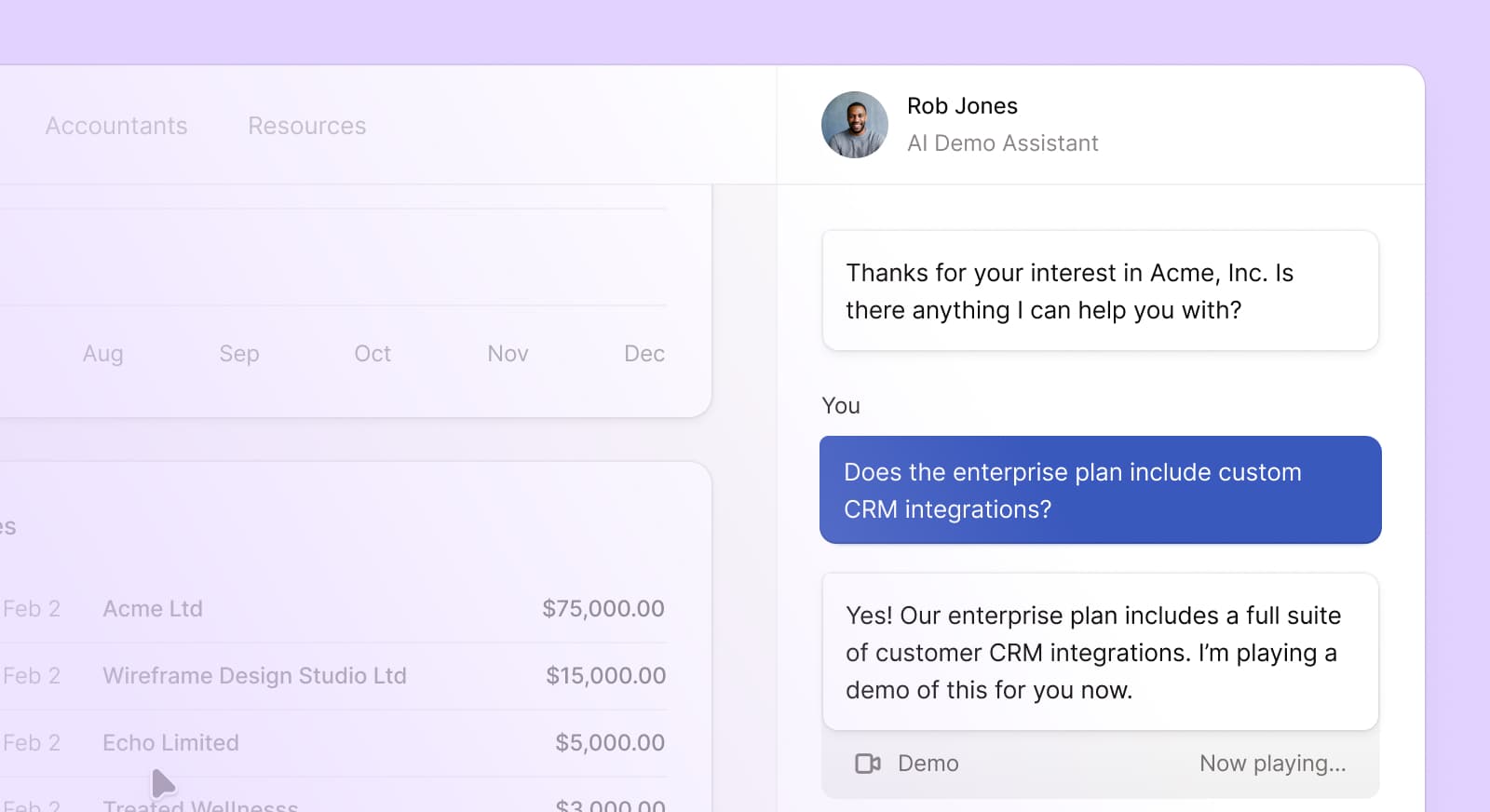
GTM
AI SDRs: The future of sales development
Traditional SDR models can't scale. AI SDRs automate qualification and routing to convert 3x more inbound traffic without adding headcount.
Feb 24, 2026
•
10 min read

GTM
How Kathleen Booth is solving the buyer intent decay problem
Kathleen Booth explains why intent data fails when teams can't act fast enough, and how real-time AI closes the gap before buyers move on.
Feb 19, 2026
•
6 min read
GTM
Corrina Owens on fixing what's broken in GTM
Corrina Owens shares how to streamline your GTM motion by fixing lead routing, simplifying buyer segmentation, focusing on high-impact signals, and embedding marketing in the deal cycle.
Feb 11, 2026
•
6 min read
Sign up for the latest from Spara
Subscribe to get more GTM insights straight to your inbox.